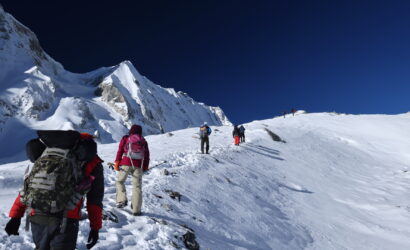
Certain basic equipment is essential for all trekking, climbing, expedition routes. Depending on the area, season, region, and altitude, it is most important to have the right equipment with you or else you may run the risk of discomfort or may even have to shorten your trip. We nor you want this to happen!
So we have compiled a recommended comprehensive list of necessities that will prepare you for an enjoyable trip. The following gives you a general idea of what to bring including clothing, equipment & gear.
|
| |
|
- Backpack/duffel bag - This is to carry gears/ trekking equipment, cloths etc. Duffel bag is provided by Mosaic Adventure (maximum weight limit 9-10 kilogram per person).
- Daypack- You will require a small day pack which should be sufficient to carry your important personal stuff and small equipment for the day, water, fleece jacket, gloves, hat, First Aid kit etc. Porter would be able to carry your stuff of around 9/10 kilograms.
- Shoes - a good pair of trekking shoes / lightweight boots. Waterproof footwear is preferable as you may be walking through some streams. It is horrible to walk in soaked shoes in the cold for hours ? it is worst when you have to put on wet shoes in the morning! It is better if you worn in for some time before starting the trek.
- A pair of spare laces
- Flip flops or sandals for wear around your lodge
- Socks (3-4 pairs). Bring a bottle of body/foot powder and squeeze a generous amount into your socks before you wear them to keep dry and comfy.
- Fleece Jacket: although during the day temperatures will (hopefully) be very pleasant the mornings and evenings can be chilly.
- Down Jacket / Sleeping bag {We do provide these on request}
- A sweater or sweat-shirt
- Waterproof / windproof jacket
- Long johns or thermal underwear
- Underwear
- T shirts: combination of half and long sleeves.
- Trousers: Lightweight trousers for lower altitudes, a heavier pair for higher altitudes. Trousers with cargo pockets at the sides and extra pockets are an advantage
- Waterproof over trousers
- Gloves - waterproof, thermal (thickness depending on your trek)
- Warm hat, and sun hat / cap
- Lip Balm
- Sunglasses- UV resistant, better if covered at the sides (extension from the rims of the specs to the face), if possible, get a case that you can easily hang on your backpack or body.
- Head-torch - LED are longer lasting and more white, and spare batteries. Electricity is erratic in Nepal and you may have to use a torch when you're at the tea houses - lighting is not always guaranteed in bedrooms. Sometime even in alleys of Thamel/Kathmandu.
- Sunscreen - factor 50
- Water Bottle - mineral water can be bought along the trails but ideally to cut down plastic waste get a 1 litre water bottle: boiled water (paid) can be topped up at tea houses. Or you can use purifier.
- Basic First Aid kit - plasters, wound dressings, diarrhoea pills ('Immodium', 'Arret' or similar) if you can persuade your doctor to prescribe a course of Cyproxin do so - it's a broad-spectrum antibiotic, particularly effective for stomach upsets that have not succumbed to other remedies, painkillers, crepe bandage (for sprains and strains), 'Deep Heat' or similar muscle-relaxant cream, scissors, tweezers, safety pins, water purification pills
- A small plastic bottle of antiseptic hand-wash: careful personal hygiene will avoid most stomach disorders.
- Sewing kit - fixes your clothes but will be invaluable if your haversack or daypack tears.
- Toiletries - usual, and wet-wipes. Toilet paper can be bought at most of the tea houses.
- Towel - medium size
Things that you might want to consider
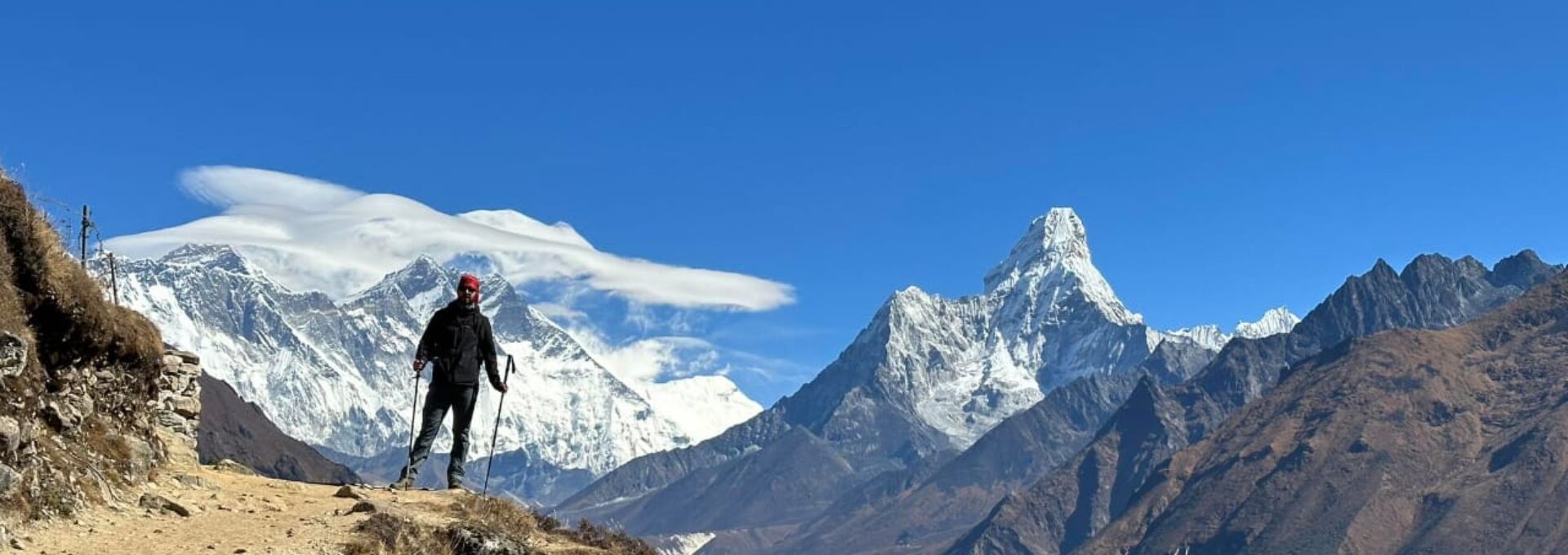
- Walking poles - helps with long climbs and descents, a good tool if you meet a wild or crazed animal too close !
- Waist Pouch - good for cameras and extras that you can access while walking. Must-have if your trousers don't have pockets.
- Scarf - good to have when the weather is cool, windy but too hot for a fleece jacket.
- Note book and pens / pencils
- A pack of cards
|
| |
|
- A duffle bag, canvas or nylon, without a frame (for porters to carry gear).
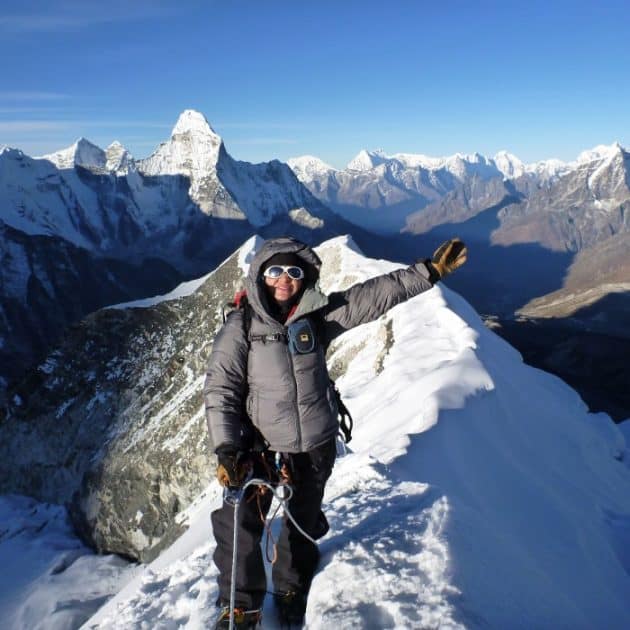
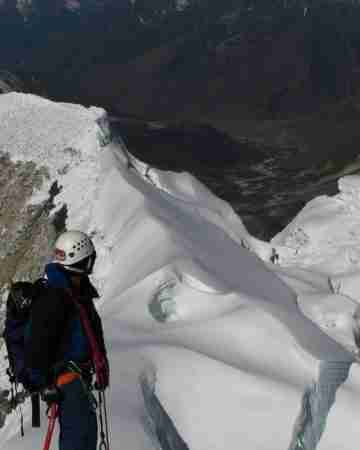
- Ice axe: length depending on your height. A strap to the axe can be good to get for steeper climbing or when we are on a ridge.
- Crampon: compatible with your boot. It cannot fall off under any circumstances. Make sure that your crampon has anti snow plates so soft snow cant ball up below them.
- Harness: Make sure it has adjustable leg slings so you can take it on and off without remove your boots.
- Carabineers: two large with locking and two large without locking, pear shaped
- Ascender: for ascending on fixed rope
- Descender
- Plastic shell mountaineering boots with high altitude liners
- 4 season Sleeping bag
- 4 season Down Jacket
- Expedition gaiters
- Neck gaiters
- Heavy shocks to worn over liner shocks.
- Waterproof / windproof shell jacket
- Expedition weight thermal tops
- Waterproof over trousers
- Breathable waterproof hard shell pants[Zip from top & bottom]
- Shell gloves or mitts
Things that you might want to consider [Optional]
- Climbing Helmet
- Ear Muffs
- Neck Warmer
- Balaclava
- Instant hand warmers
|
| |
|
- Day pack
- Long sleeved shirts and trouser (Light dark cotton/breathable clothes, bright clothing is not suitable for jungle walk)
- T-shirts/vests
- Swimming costumes
- Insect repellent cream
- Flash light
- Hat/cap/shades/sunscreen
- Necessary toiletries and medicines
- Walking trainers
- Flip flops or sandals
- Binoculars
- Sun glasses/case
- Warm fleece jacket, sweater during winter
|
| |
|
| Multi day trip
Quality sleeping bag & sleeping pad
Windproof & water proof outerwear, jacket & pants (cortex or nylon)
Fleece jacket/sweater (wool or synthetic only for the winter season)
Camera equipment with spare batteries
Pants, shorts
Cotton underwear
T-shirts, swim wear
Light weight long sleeved shirt
Toiletries and medicines
Head torch / flashlight with spare batteries & bulbs
Water bottle
Flip flops or sandals
Walking trainers or sneakers
Sun glasses
Sun hat
Socks
Wetsuit /
Gloves - Nylon/neoprene or leather gloves for warmth, protection or better grip.
Day trip
Water bottle
Sandals or flip flops
Sun glasses Extra pair of full sleeves shirts, t-shirts and trousers River wears, shorts and swimming custom Walking shoes: either boots, light hiking or running shoes, well broken in.
|
| |
This list is only a guide. While you are not required to bring everything on this list, there are numerous options, brands, and versions of each piece of equipment. We suggest you use your experience and the recommended items above to find the best gear for you. Most of the above equipment & gear are available for sale or rent (i.e. sleeping bag, down-jacket).at shops around Kathmandu. However, most trekking equipment in Nepal is either used equipment that was sold by other trekkers or mountaineering expeditions or locally made reproductions of internationally known brands. The local rucksacks, duffel bags and rain ponchos are inexpensive and will usually stand up to the rigors of a trek or two. Don't be fooled into thinking that you are getting a genuine brand name item for top quality. |
| |
*Please Note:
Tight fitting, figure-hugging clothing, such as those made with Lycra can often be offensive to locals, especially on women. If you find these items comfortable as a base layer please pack something to wear over the top of them. Too much exposure can draw the wrong kind of attention especially from males who may get the wrong idea or impression.
|
With some advance preparation and a list of what to bring, you'll be on your way
to having a safe and enjoyable trip! |
| |
| |