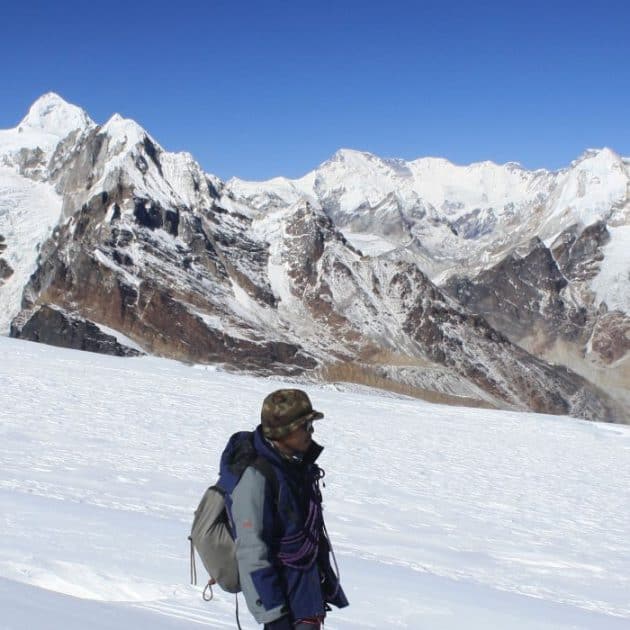
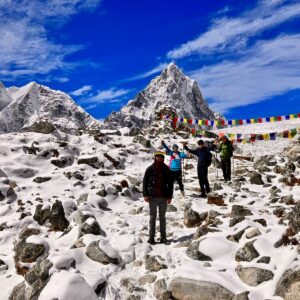
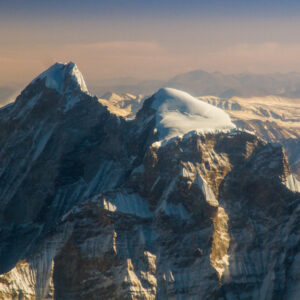
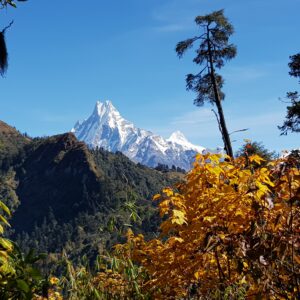
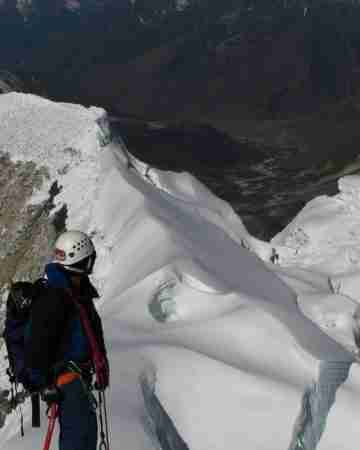
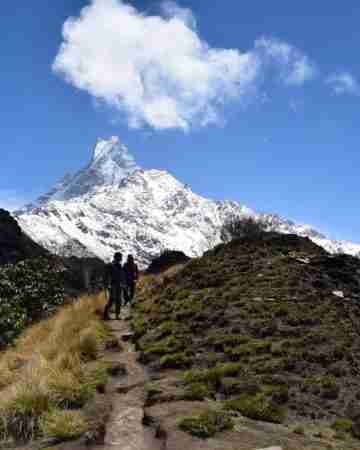
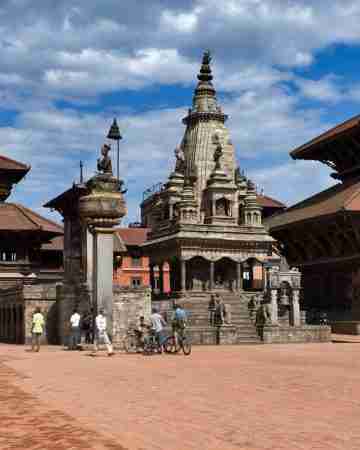
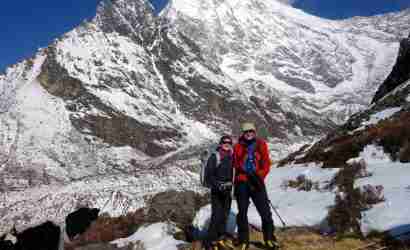
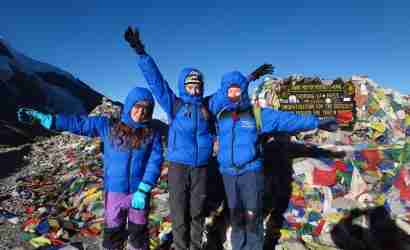
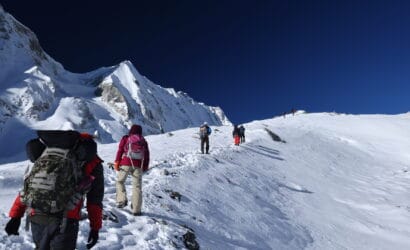
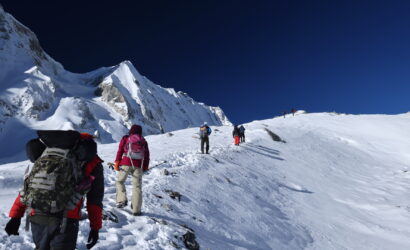
“Everest Base Camp” has been hailed “The path to glory” by pros and amateurs alike. This beautiful route to the highest peak of the world has stood out as a challenging task for centuries. It is one path that has challenged human ambition for years. It’s easy to understand how this trek attracts thousands of trekkers each year with it’s meandering trails and spectacular scenery, passing through traditional Sherpa villages where inhabitants live harmoniously with the natural world untouched by modern society. The “Everest Base Camp” trek is known as one of the most challenging yet most rewarding and fulfilling treks there is.Visitors have even called it a “Trekkers paradise”.
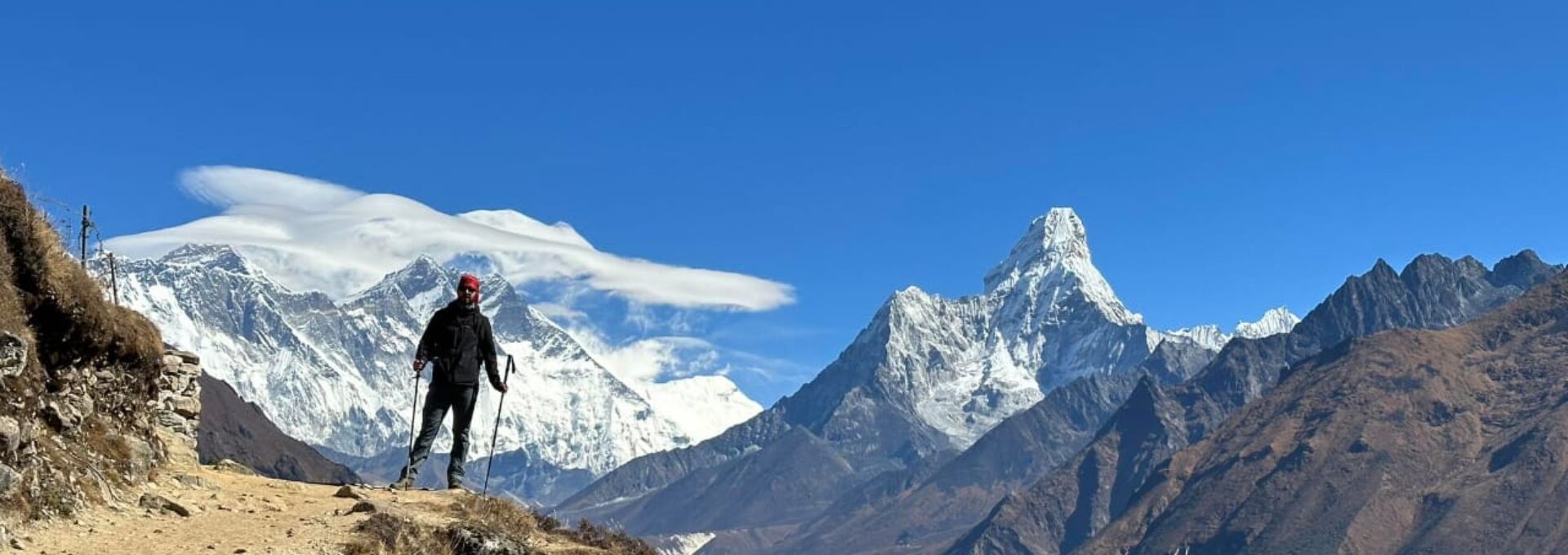
From boarding the plane bound to Tenzing/Hillary airport in Lukla and until you reach Everest Base Camp, you will be witness to unique, breathtaking views and scenery and enjoy extraordinary experiences which cannot be compared to any other trekking route in the world. Satisfaction is guaranteed on this infamous trek! For adventurers and thrill-seekers alike, this trek is definitely for you! For almost half a century, trekkers have flocked to this Himalayan region to enjoy a once in a lifetime experience. From the raging river of the Dudh Koshi Valley to Namche Bazaar, the hillside town and gateway to the high Himalaya, and from the Tyangboche monastery to the Khumbu Glacier, this trek never fails to please.The welcoming hospitality of the Sherpa people will warm your heart as you discover the age-old traditions of this rich culture. Breathtaking views of Ama Dablam and Taweche are just a snippet of what’s on offer throughout this trek, and you won’t find views like them anywhere else in the world! Whilst on this trek, not only do you accomplish reaching Everest Base Camp, you will also get the chance to scale to the summit of Kala Patthar which stands at 5,545 m (18,192 ft) giving incomparable, panoramic views of Mount Everest itself.

The Everest Base Camp Trek takes you away from the hustle and bustle of your everyday life bringing you peace and calm with much needed timeout from the stresses and burdens of a busy lifestyle. As if this was not enough, the Everest Base Camp Trek will offer an insight into remarkable flora and fauna leading you through forests thick with rhododendron and fir trees whilst you steel a glimpse at some rare and endangered species of birds and animals, this is truly a trek not to be missed.
Day 1: Arrival in Kathmandu (1345m/4412ft)
Day 2: Trip arrangements, meeting with staff and sightseeing around Kathmandu Valley
Day 3: Short flight to Lukla (2840m/9320ft)–Trek to Phakding (2610m/8560ft)–approximately three hours
Day 4 -5: Trek to Namche Bazaar (3440m/11290ft) - Approximately 6 hrs -Acclimatization
Day 6: Trek to Tengboche (3860m/12660ft) – Approximately five hours
Day 7: Trek to Dingboche (4360m/14300ft) – Approx. 5 hrs
Day 8: Lobuche (4940m/16207ft) – Approx. 5 hrs.
Day 9: Trek to Everest Base Camp (5300m/17400ft) - back to Gorak Shep (5170m/16961ft).
Day 10: Hike up to Kalapattar (5545m/18192ft) then trek to Periche (4270m/14070ft) - Approx. 7 hours.
Day 11: Trek from Pheriche To Tenggboche (3860m/12660ft)
Day 12: Trek to Namche Bazaar (3440m/11290ft) - 6 hours approximate
Day 13: Namche to Lukla (2840m/9320ft) – Approx. 6 hrs.
Day 14: Fly back to Kathmandu
Day 15: Rest day Shopping/ Leisure
Day 16: Departure to Destination Country
Day 1: Arrival in Kathmandu (1345m/4412ft)
Arrival in Kathmandu where a Mosaic Adventure representative will meet you at the airport and transfer you to your hotel in nearby Thamel. In Thamel, you will find great food from all over the world along with fabulous shopping and a chance to visit Durbar square with its several temples and markets are nearby Thamel. Overnight at hotel.

Day 2: Trip arrangements, meeting with staff and sightseeing around Kathmandu Valley.
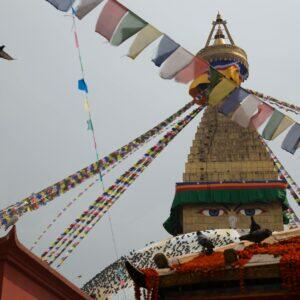
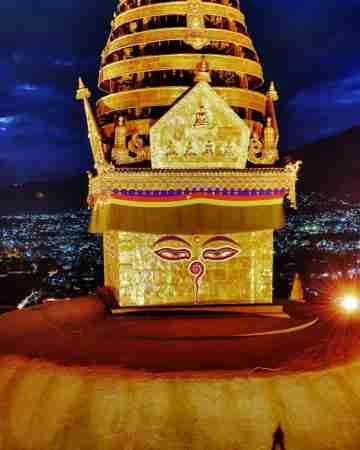
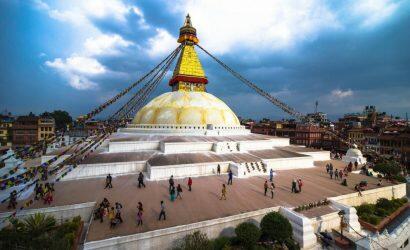
You will meet your trekking guide, discuss the trekking program and coordinate any last-minute arrangements. After/before the staff meeting, we will take you sightseeing with a Mosaic Adventure professional tour guide to visit the highlights of Kathmandu - Pashupatinath, Boudhanath Stupa, Swaymbhunath and Patan Durbar Square. Any spare time today could be used for shopping for any equipment or personal items you will need for your trek. Overnight at hotel.
Day 3: Short flight to Lukla (2840m/9320ft) – Trek to Phakding (2610m/8560ft) – approximately 3 hours.
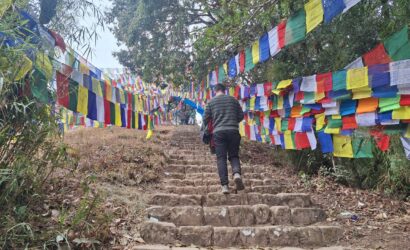
You will take a short but breathtaking flight from Tribhuan International Airport (TIA) on a twin-engine Otter to Tenzing-Hillary Airport in the Sherpa village of Lukla. (2840 meters) This is where we begin our trek into the Khumbu region. During this extraordinary flight in between the mountains, you will see amazing views of terraced hills and the distant Himalayan massive. After lunch we will hike for around three hours to reach Phakding (2610 meters). During our three hour hike to Phakding, you will see Mani stone walls, sacred for Buddhists, made from hundreds of stone tablets and giant carved boulders, brilliantly decorated with brightly colored paints. Overnight at teahouse.
Day 4 -5: Trek to Namche Bazaar (3440m/11290ft) - Approximately 6 hrs and acclimatization day.
From Phakding we continue hiking for around five hours along the banks of the Dudh Kosi river, through stands of pine and oak trees, crossing this majestic river many times on some impressive suspension bridges loaded with prayer flags. The trail then starts to rise and rhododendron, magnolia and giant fir trees prevail, with breathtaking views of Namche Bazaar (3440 mtrs) – the gateway to the Everest region and the Sherpa Capital. Namche Bazaar is a colorful village with many wonderful and interesting shops and vendors, fabulous food and stunning views of the surrounding mountains. We will take an extra day for rest and acclimatization. During this day, we will take an early hike above the town, before the clouds move in. This will reward climbers with a spectacular Himalayan sunrise and views of Mt. Everest, Lhotse (the 4th highest peak in the world), and the beautiful Ama Dablam. On the way down, we can visit the Sherpa Museum that houses an exhibit on traditional Sherpa lifestyle and an exquisite photography display by a local Nepalese naturalist. One room highlights the Sherpa traditions and another presents Sherpa high altitude climbers’. Overnight at teahouse.

Day 6: Trek to Tyangboche (3860m/12660ft) – Approximately five hours.
We leave Namche Bazaar and trek for around 5 to 6 hours follwing the rushing glacial waters of the Dudh Kosi with magnificent views of the surrounding mountains. The views become even more dramatic as you approach the holy place of Tengboche (3860 meters). Tyangboche is a traditional site with a wonderful gompa (monastery) and is the spiritual center of the Khumbu region where the Rimpoche (Lama Re-incarnate) exists. The monastery adorned with incredible ornate wall hangings and houses a twenty foot sculpture of Buddha and the musical instruments and robes of the Lamas; if you are lucky enough you will see the Lamas performing their rituals and hear the divine chanting and music. Tyangboche is famous for its unparalleled panoramic views of Kwangde, Nuptse, Lhotse, Kangtega, Ama Dablam and Everest. Overnight at teahouse.
Day 7: Trek to Dingboche (4360m/14300ft) – Approx. 5 hrs.
Hiking from Tyangboche, the trail drops to Debuche, crosses another impressive suspension bridge on the Imja Khola river and climbs to Pangboche among thousands of Mani stones holding a ‘Yeti Scalp’ in its Gompa. Our uphill trek continues, taking us to the picturesque traditional Sherpa village of Dingboche, just under Ama Dablam with its spectacular views of Lhotse, Island Peak, and Ama Dablam. Agriculture is only barely possible in such high altitudes and the lives of the local Sherpa people are simple by any standards. Much of the walking today to reach the altitude of 4100 meters is over comparatively gentle gradients, although you will need to proceed at a leisurely pace because of the elevation and so you can acclimatize safely. Overnight at teahouse.
Day 8: Lobuche (4940m/16207ft) – Approx. 5 hrs.
Lobuche is reached by hiking along side frozen rivers where stone houses sit in an icy wilderness of
stunning beauty. You will be able to feast your eyes on the Khumbu Ice-fall, Pumori and many smaller peaks from ridge tops on the track. Overnight at teahouse.

Day 9: Trek to Everest Base Camp (5300m/17400ft) and back to Gorak Shep (5170m/16961ft). Approximately 7 hours trekking.
A reasonably difficult day walking along the Khumbu glacier and up to Everest Base Camp at an elevation of 5365 meters. Everest Base camp is the closest you can be to Mount Everest without mountaineering equipment. You may see a group of people attempting to climb the mighty Mount Everest. We will then hike back to Gorak Shep.Overnight at Teahouse.
Day 10: Hike up to Kala Patthar (5545m/18192ft) then trek to Periche (4270m/14070ft) - Approx. 7 hours.
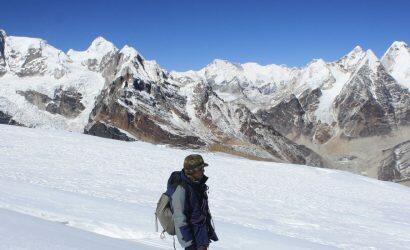
Another difficult but possibly the most rewarding day of your trek. We wake up early in the morning and start our hike to Kala Patthar at the elevation of 5545 meters. The climb is challenging but you will be rewarded with the unpresidented, spectacular views of Mount Everest and the surrounding Himalayas. Everest, the highest point on the planet at 8848meters (29028 feet) towers directly ahead and on all sides emerge the other giants, Nuptse, Pumori, Cholatse, Lhotse and countless others. We then head back to Gorak Shep, a tiny village at 5180 meters and head further down to Periche. Overnight at Teahouse.
Day 11: Trek from Pheriche To Phortse (3810m/12550ft) Approximately 5 hours.
We trek all the way down through Pangboche and hike to Phorse. Besides superb views of green hills, rivers and the great Ama Dhablam and Thamserku, we will see the beautiful Tyangboche monastery, an old and famous monastery of the Khumbu region.

Day 12: Trek to Namche Bazaar (3440m/11290ft) – Approximately 5 hours
The trek takes us back to Namche Bazaar, (3441 mtrs) the hillside town and gateway to the high Himalaya.Overnight at Teahouse.
Day 13: Namche to Lukla (2840m/9320ft) – Approximately 6.5 hours.
You will trek back to Lukla along the same path. Here, you can take some rest and celebrate your accomplishment. You can taste the local beverage ‘Rakshi’ or ‘Chyang’ meaning wine. If you have any energy left after your long trek, you could groove to the local Sherpa tunes and show them some dance moves of your own, or, just dance the Sherpa way! Overnight at teahouse.
Day 14: Fly back to Kathmandu.
Time to take in some last mountain views as you board the plane back to Kathmandu. A short 30 minute flight and you will be back in the capital and transferred back to your hotel.
Day 15: Rest day Shopping/ Leisure
After a good nights sleep and a well earned rest for your tired muscles, you could visit the many shops that Kathmandu has to offer. There are also many spas to visit for a relaxing massage after all the hard work of the trek. In some circumstances, the weather conditions may have made it impossible to fly back from Lukla the previous day, so, this day may have to be used for your flight back to Kathmandu.
Day 16: Departure to Destination Country.
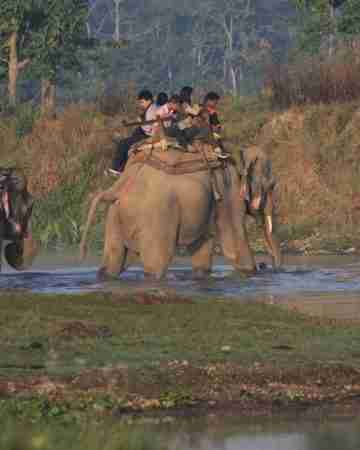
Time to go home and tell your friends and family of the fun and adventure had on your trek in Nepal. Or, you could extend your trip we can arrange many other tours and trips for you, such as: Chitwan Jungle Safari, River Rafting Adventure, Scenic Flight, Cycling or even another trek in a different region. Mosaic Adventure would be both pleased and honored to be at your service.
Although we do our best to follow the schedule above; on such adventurous trips as Everest Base Camp, the itinerary is subject to change due to adverse weather conditions, route conditions, local politics, transport or/and other factors beyond our control. Your Mosaic Adventure guide/leader will choose the best alternatives considering the whole group in these circumstances.
| Trip Starts | Trip Ends | Availability | Price USD | |
|---|---|---|---|---|
| May 31, 2013 | June 15, 2013 | US$ 1330 | ||
| June 7, 2013 | June 22, 2013 | US$ 1330 | ||
| June 21, 2013 | July 6, 2013 | US$ 1330 | ||
| July 5, 2013 | July 20, 2013 | US$ 1330 | ||
| July 19, 2013 | August 3, 2013 | US$ 1330 | ||
| August 2, 2013 | August 17, 2013 | US$ 1330 | ||
| August 16, 2013 | August 31, 2013 | US$ 1330 | ||
| August 23, 2013 | September 7, 2013 | US$ 1330 | ||
| August 30, 2013 | September 14, 2013 | US$ 1330 | ||
| September 6, 2013 | September 21, 2013 | US$ 1360 | ||
| September 13, 2013 | September 28, 2013 | US$ 1360 | ||
| September 20, 2013 | October 5, 2013 | US$ 1360 | ||
| September 27, 2013 | October 12, 2013 | US$ 1360 | ||
| October 4, 2013 | October 19, 2013 | US$ 1360 | ||
| October 7, 2013 | October 22, 2013 | US$ 1360 | ||
| October 9, 2013 | October 24, 2013 | US$ 1360 | ||
| October 14, 2013 | October 29, 2013 | US$ 1360 | ||
| October 18, 2013 | November 2, 2013 | US$ 1360 | ||
| October 25, 2013 | November 9, 2013 | US$ 1360 | ||
| October 31, 2013 | November 15, 2013 | US$ 1360 | ||
| November 8, 2013 | November 23, 2013 | US$ 1360 | ||
| November 15, 2013 | November 30, 2013 | US$ 1360 | ||
| November 22, 2013 | December 7, 2013 | US$ 1360 | ||
| November 29, 2013 | December 14, 2013 | US$ 1360 | ||
| December 6, 2013 | December 21, 2013 | US$ 1360 | ||
| December 13, 2013 | December 28, 2013 | US$ 1360 | ||
| December 20, 2013 | January 4, 2014 | US$ 1360 | ||
| January 3, 2014 | January 18, 2014 | US$ 1360 | ||
| January 31, 2014 | February 15, 2014 | US$ 1360 | ||
| February 21, 2014 | March 8, 2014 | US$ 1360 | ||
| February 28, 2014 | March 15, 2014 | US$ 1360 | ||
| March 7, 2014 | March 22, 2014 | US$ 1360 | ||
| March 14, 2014 | March 29, 2014 | US$ 1360 | ||
| March 21, 2014 | April 5, 2014 | US$ 1360 | ||
| March 28, 2014 | April 12, 2014 | US$ 1360 | ||
| April 4, 2014 | April 19, 2014 | US$ 1360 | ||
| April 11, 2014 | April 26, 2014 | US$ 1360 | ||
| April 18, 2014 | May 3, 2014 | US$ 1360 | ||
| April 25, 2014 | May 10, 2014 | US$ 1360 | ||
| May 2, 2014 | May 17, 2014 | US$ 1360 | ||
| May 9, 2014 | May 24, 2014 | US$ 1360 | ||
| May 23, 2014 | June 7, 2014 | US$ 1360 | ||
| June 6, 2014 | June 21, 2014 | US$ 1360 | ||
| June 20, 2014 | July 5, 2014 | US$ 1360 | ||
| July 4, 2014 | July 19, 2014 | US$ 1360 | ||
| July 18, 2014 | August 2, 2014 | US$ 1360 | ||
| August 1, 2014 | August 16, 2014 | US$ 1395 | ||
| September 12, 2014 | September 27, 2014 | US$ 1395 | ||
| September 26, 2014 | October 11, 2014 | US$ 1395 | ||
| October 3, 2014 | October 18, 2014 | US$ 1395 | ||
| October 10, 2014 | October 25, 2014 | US$ 1395 | ||
| October 17, 2014 | November 1, 2014 | US$ 1395 | ||
| October 24, 2014 | November 8, 2014 | US$ 1395 | ||
| October 31, 2014 | November 15, 2014 | US$ 1395 | ||
| November 7, 2014 | November 22, 2014 | US$ 1395 | ||
| November 14, 2014 | November 29, 2014 | US$ 1395 | ||
| November 21, 2014 | December 6, 2014 | US$ 1395 | ||
| November 28, 2014 | December 13, 2014 | US$ 1395 | ||
| December 5, 2014 | December 20, 2014 | US$ 1395 | ||
| December 12, 2014 | December 27, 2014 | US$ 1395 | ||
| December 22, 2014 | January 6, 2015 | US$ 1395 |
**Departure dates and itinerary arrangements can be custom-tailored to your needs, so please contact us by feeling this form or by sending mail to info@trekntour.com with your inquiries regarding your Everest Base Camp Trek departure date.
Guaranteed: Trip is Guaranteed to run.
Available: Trip is available to run if minimum group size is filled.
Limited: Only few space available
01. Domestic Airport picks up & drops by private vehicle.
02. Three star hotel in Kathmandu with breakfast.
03. Guided Kathmandu city tour with entrance fees by private vehicle.
04. All your standard Meals (breakfast, lunch and dinner) during the trek.
05. Teahouse accommodation during the trek.
06. Government licensed English speaking Guide and Porters to carry your luggage during the trek (1 porter Between 2 Person basis), their food, accommodation, salary, insurance, equipments, medicine.
07. Round Trip flight fare KTM –Lukla-- KTM & domestic airport taxes in Kathmandu and Lukla.
08. Sagarmatha National Park fees.
09. Trekker’s information management system(TIMS) card fee.
10. Mosaic adventure duffel bag, jacket and sleeping bag to use during the trek
11. Travel & Rescue arrangements.
12. Farewell dinner in Kathmandu
13. All our government taxes and official expenses.
01. Lunch and dinner during your stay in Kathmandu.
02. Personal expenses such as laundry, telephone calls, sweets, snacks, tips, etc.,
03. All beverages and bar bills.
04. Travel Insurance (Essential - Should include emergency evacuation coverage while trekking up to 5545 meters).
05. Personal trekking equipment except stated above.
06. Tips for tour guide, driver, trekking guide and porter (expected but not mandatory)
07. Any loss arising due to unforeseen circumstances that is beyond Mosaic Adventure control.
How fit do I have to be?
The Everest Base Camp trek is considered to be a relatively strenuous trekking route in Nepal, but, that does not mean that you require any previous trekking or mountaineering experience. You are attempting to reach the base camp, not climbing to the summit itself, it is not required that you have any technical experience, only that you be in good physical condition and are able to walk for four to six hours per day over hilly terrain with a light bag pack. If you are not an experienced trekker or do not exercise regularly, we recommend that you embark on a training program well in advance of commencing this trip. You will be given plenty of time to rest throughout the trek and the pace will be slow to help you acclimatize safely to the increasing elevation.
What is the level of accommodation like?
In Kathmandu, your accommodation will usually include an attached bathroom and have facilities such as air conditioning, reception and dining services. The level of accommodation is generally Nepalese 3 star and is comfortable and clean. If you require an upgrade of accommodation in Kathmandu, there are
many 4 star and 5 star options at an extra cost. Please do not hesitate to contact us if you require an upgrade.
Once you start your trek, you will be staying in “Teahouses.” Accommodation is limited, especially the higher you get, so your room may vary from a private single/double room to a bed in a dormitory. Bed mattresses are usually firm, not sprung mattresses that you may be used to at home. The accommodation is very basic and there will usually be shared shower and toilet facilities. There is a communal dining hall in all teahouses offering limited meal choices. Although basic, the teahouses are clean and are a welcome, friendly and warm resting place after a day trekking.
How do I get from the airport to my Hotel?
We will arrange a pickup service free of charge at anytime of the day or night to transfer you from the airport to your hotel. You will be met by a Mosaic representative on arrival. If you have booked a trip with us but have arranged to arrive in Kathmandu earlier and do your own thing until the trip starts, we will still pick you up at the airport, you just need to let us know your arrival date and time so we can come and meet you. Kindly look for signage showing the Mosaic Adventure logo or your name. Please note; we recommend that you deal with your own bags at the airport and carry them yourselves. There are people who will offer to carry your bags and will expect payment. You are not obliged to pay these people and it is not advisable to get out your wallet in front of them. Just tell them 'No, thank you!' if someone approaches you and walk away.
Is enough drinking water available? How many liters of water shall we carry in our day pack?
We ask that all our customers bring water purification tablets and a water bottle with them (they can be bought in Kathmandu if forgotten). Mosaic supports responsible tourism so we do not encourage trekkers to buy bottled water when in the Himalayan region, although it is be available, there is no proper disposal system for plastic bottles and we would like to keep our mountains clean and trash free. There will be plenty of water available along the way to fill your bottles and most brands of purification tablets take just 30 minutes before you can drink your water. We recommend that you drink a minimum of 3 to 4 liters of water per day whilst on your trek.
Where can I keep my luggage?
Any luggage that you will not require during your trek can be kept securely in the hotel in Kathmandu or in the store room of our office.
Do I need to take walking poles?
Walking poles are not essential but can be useful especially on the way down. Poles help you balance on the way down and take the strain off of your legs (quad muscles) on some of the steep climbs. You can buy or hire poles in Kathmandu and they easily collapse so you can attach them to your back pack
when they are not needed.
Can I buy any equipment in Kathmandu before the start of the trip?
There are plenty of trekking shops in Kathmandu selling equipment inexpensively compared to the prices you would normally pay at home, although, the quality of these products cannot always be guaranteed. If you do not want to take the risk, we recommend you buy major items such as trekking shoes, before you arrive in Nepal. It is also recommended you buy your shoes well in advance of your trek so you can “break them in” and avoid blisters during your trip.
Can I recharge my iPod, batteries, cameras etc… while on the mountain?
Yes, you can, in the teahouses. Please remember that plugs might be different than at home so don’t forget to bring adapters with you or buy them in Kathmandu before the trip. You will have to pay for the use of the electricity to recharge your electrical items, usually at a cost of $2-3 US per hour.
Is it recommended to get Nepalese visa in advance or at the airport?
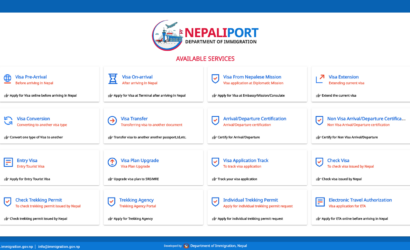
Most people can obtain a visa on entry to Nepal. There are some countries where a visa will need to be obtained prior to traveling (you can find a list of these countries at www.immi.gov.np)
If you want to avoid the sometimes lengthy queues at the airport, you can obtain a visa from the Nepali embassy in you home country before you travel. Please visit the appropriate websites in your country for details. If you want to obtain a visa on arrival, you will need to fill in a landing card, (most airlines provide these before landing in Kathmandu, if not, they will be available in the airport) pay a fee (cost differs depending on your length of stay) and provide a passport photo so don’t forget to bring one in your hand luggage to present to the immigration officers. Visa fees are as follows:
US Dollars 25 or other convertible foreign currency equivalent thereto for 15 days multiple entry visa.
US Dollars 40 or other convertible foreign currency equivalent thereto for 30 days multiple entry visa.
US Dollars 100 or other convertible foreign currency equivalent thereto for 90 days multiple entry visa.
(information from the department of immigration, Nepal)
We would advise you to bring US dollars to pay for your visa, most major currencies are usually accepted also. Although there is a currency exchange in the airport (if they will not accept your currency), you may not get the best exchange rate; therefore it is always a safe bet to bring US dollars.
Can we take showers during the trek?
Showers are available at the teahouses. They will usually be shared bathrooms in most teahouses, especially the higher up you go. You will have to pay for a hot water shower per person. The higher you are, the colder it gets and you may find that you do not want to shower as often so you can wait just a few days until your descent.
How much money per day do you think I will need? What currency should I take?
Local currency in Nepal is rupees. We recommend you bring US dollars with you to Nepal and exchange them here as this is easily done and is a widely accepted currency. Although you may get a lesser rate on traveler’s cheques, we suggest you carry a mixture of both depending on your needs. The amount of money you will need on a daily basis depends on your spending habits. A guide would be $10 per day for extra drinks and bar bill during your trek and $20 per day to cover lunch/dinner whilst in Kathmandu.
What do I have to carry with me on trek?
You will need to carry a reasonable sized daypack, big enough to carry personal items, water, camera, snacks, sun screen, hat, a fleece jacket and gloves for higher altitudes. The porters will carry the bigger packs with your clothes etc…. They will carry packs up to 20kg. (10kg per person)
What if I get sick while on trek?
It depends on the nature of the sickness. Usually, if you become sick, you will descend to a lower altitude with the help and support of the guide and porters. If you are seriously ill, we will arrange an emergency helicopter evacuation service. Our guide will take immediate action according to the situation. Please ensure you arrange travel insurance that covers you for an evacuation service and trekking at high altitudes.
*Altitude sickness can affect everyone whilst trekking including young and healthy people and is a genuine concern in higher altitudes. If you feel dizzy, suffer palpitations or severe headaches, return immediately to a lower altitude.
Do not take altitude sickness lightly. It can be fatal! Please familiarize yourself with the symptoms of altitude sickness before your trek. Do not ignore even the mildest of symptoms, inform your guide immediately. Our guides carry basic medicine and first aid equipment including simple painkillers, altitude sickness tablets, bandages, balm for muscle ache and medication to treat diarrhea and
vomiting.
These are the questions we are often asked and we hope that you will find the answers useful. Please don’t hesitate to contact us if you have any further queries