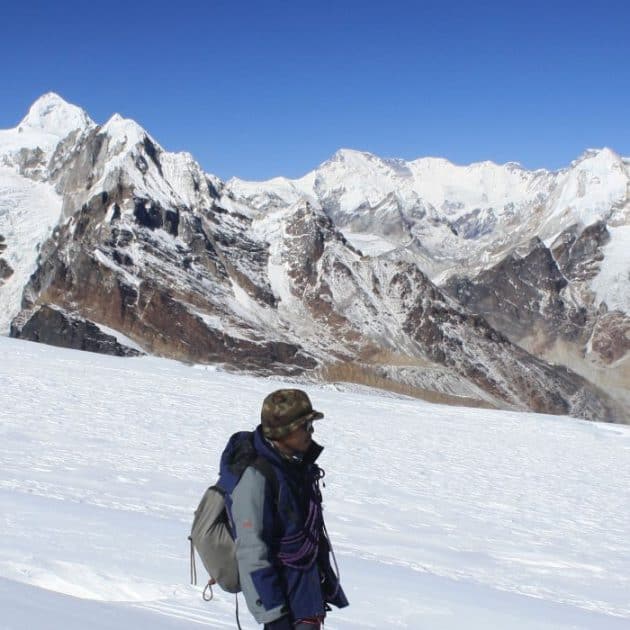
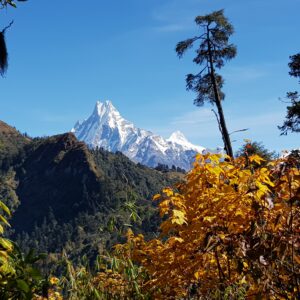
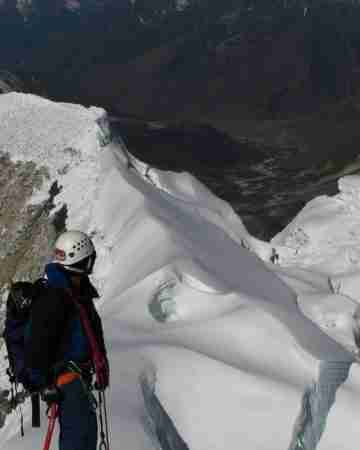
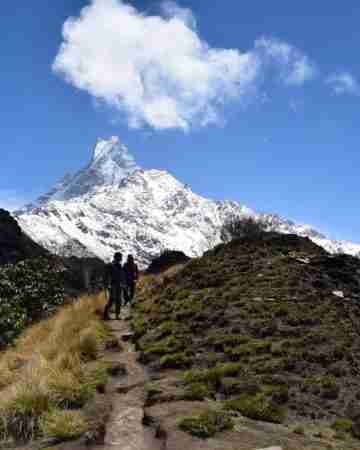
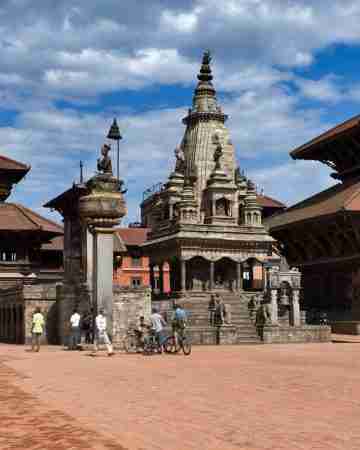
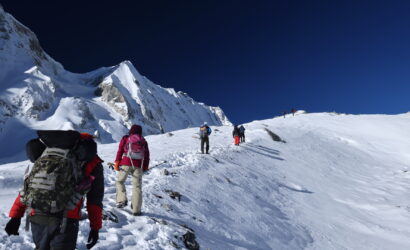
One of the most popular destinations for high altitude hiking trails, Nepal, treasures the unexplored, pure and majestic Trans Himalayan Valley. Deep in the wilderness of Humla lays the Limi Valley whose exploration and description remains incomplete. Limi Valley happens to be one of the few places on the blue planet where true adventure to unknown is possible. Exceedingly dominated by the religious theocracy, Limi valley coyly awaits its admirers and the travelers. Limi valley borders Humla on the northern side with Tibet. Hence, Limi valley looks like a miniature Tibet. The valley has three villages Tilijungma, Jang and Halji. The trip to Limi village endows on the travelers with tranquility. Domesticated mules, donkeys and horses are the popular and the only means of transportation here. The visit can be a great insight to the Buddhist norms, values and their culture. Up-close and personal moments with the valley are guaranteed to leave any traveler awestruck. It takes them literally back in time. Limi Valley trek traverses the beautiful landscapes, rivers, meadows and jungles with the exquisite animals, birds and vegetations. This is probably the only place in the world where Buddhism meets Shamanism. Every single day a traveler spends here is full of surprises. One never knows what to expect and what is next. A narrow valley perched on the banks of Karnali River, ever cheerful people and proximity of the traditional rituals are enough for the life changing experience and better understanding of what cultural diversity really means.
It’s a 20 day trip from Kathmandu, basically (hike starts from Simikot though). The trip could be made longer or shorter, however, depending on the travelers. Simikot, the administrative headquarters of Humla, is the gateway to Mount Kailash, Tibet. The trekkers get to walk the ancient salt trading and religious trails all the way up to the border of China and Nepal. In the middle of the hike travelers will also have passed Nara-La Pass, one of the two high passes that scale 5000m in altitude. The other pass is Nyalu-La which too is as high as the first one. From Hilsa the northbound expedition gets underway until the trekkers arrive at Limi Valley. The journey is accompanied by the highly endangered species like snow leopard, blue sheep, jackals, hyenas, musk deer, lophophorus, Himalayan tahr and many more. The beautiful landscape, lush vegetation, snow capped mountains and the pristine ruggedness add cherry on top. As if that is not enough, trek to Limi Valley offers the travelers the glimpse of Mt. Kailash (6714 m), Mt. Saipal (7030 m), Mt. Mendun and Ghur-La Mandala. And there is the natural waterfall (Chiyachhahara) at Chachera 2350m., Tshom Lake (at 4420m.) and Selima Lake (at 4570m.) in Limi Valley, the incredible hot springs (at 2700m.) at Kermi .The travelers just cannot have enough of its beauty. Its remote location, gorges of Karnali River and Limi River make Jumla one of the potentially great destinations. Although the trip to Limi valley is tiring and strenuous, the unique monuments and monasteries, the historical location and the exclusive Tibetan cultures make us forget all the fatigue and agony. The weather should not be a worry here as the temperature prefers to remain well below 80 degree Fahrenheit. The average temperature is anywhere between 41 degree Fahrenheit to 77 degree Fahrenheit. (5 degree Celsius to 25 degree Celsius)
During the stay at Limi Valley, the trekkers can pay homage to different monasteries, interact with the monks and their spiritual “GURU” Pema Ringsal Rimporche at Yalbang Monastery and can have first hand experience of stopping by Halji Monastery, Nepal’s largest and oldest.
Limi Valley is like no other place on our planet. It's a constant adventure for those that live there, and for those fortunate enough (or smart enough) to travel there, it often proves to be their most exhilarating and worthwhile adventure. An expedition like never before.
Day 1: Arrival at Kathmandu (1345m / 4412 f)
When you land at Tribhuvan International Airport in Kathmandu, you will be picked up by our staffs and they will check in at the hotel in Thamel. We choose Thamel for our guests for the simple reason that it is a hub of the city from where you can go shopping, tour durbar squares, visit different temples and meet the need of your taste buds with any food you want to eat.
Day 2: Trip arrangements, meeting with staff and sightseeing around Kathmandu Valley
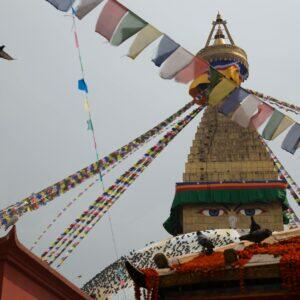
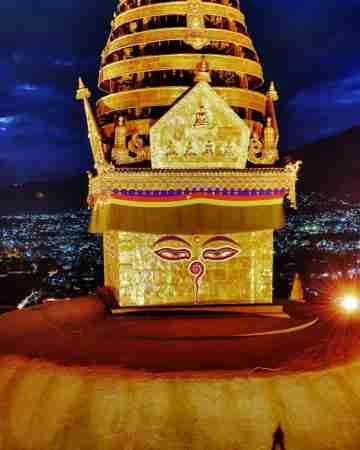
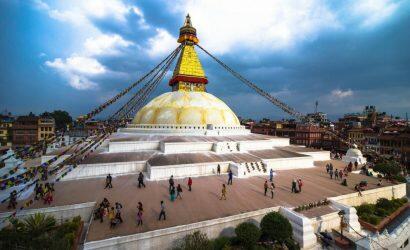
Your second day in Nepal starts off in style. You meet your trekking guides, work out your further plans, finalize the schedule and make last minute arrangements, if any. Once the meeting with the staffs is over, the thrill begins. Our professional tour guides will take you to Pashupatinath Temple, Boudhanath Stupa, Swayambhunath Stupa and Durbar Squares. You will have a spare time for yourself if you want to stroll around Thamel Market or even shop till you drop.
Day 3: Flight Kathmandu-Nepalgunj
You get to Humla via Nepalgunj. You cannot fly directly to Humla. You have to stay in Nepalgunj overnight before you catch a plane to Humla. Nepalgunj is a business hub for both the city dwellers and those who live high up in the hills. Nepalgunj is the blend of Indian culture and Nepali traditional cultures. Indian border is just five miles (8km) away from the city. And it comes as no surprise that it looks more like an Indian city than it is a Nepali one. The temperature is high here and the condition humid for most part of the year. You will check in to the hotel for a night.
Day 4: Flight Nepalgunj-Simikot (2950m / 9678f)
It takes a mere 45 minutes flight from take off to touch down until we get to Simikot from Nepalgunj. The trip is a thrill ride through the ridges and ravines in the spectacular mountains. Landing at the Simikot Airport is no less adventure as it is just a graveled airstrip (scheduled to become asphalt soon). You feel like you are in a different realm because of the sudden rise in altitude and sudden fall in temperature. To leave behind the scorching hot climate behind, to be in a tiny mountain village and to be breathing cool and fresh air gives you adrenaline rush and refreshing feel. You are going to spend your night in the tented camp.
Day 5: Simikot to Dharapuri(2300m / 7545f) 4 hours.
The day starts with the hike of about an hour. It is a short ascent to a pass which is approximately at the altitude of 3150m. From there it is a descent of about an hour to Majgaon. The trek has to go through the pine forest where you can see local Hindu and Buddhist people in their traditional attire accompanied by their herds of cattle. The cattle carry the load for the people in this part of the world because there are no other modes of transport. If they are not with their cattle the people carry their loads on their backs and take them all the way up. Once you go past Majgaon, the track gets uneven. One corner it is descent and it is ascent the next corner. This particular topography is called Nepali flat. It is green and lush than what you will see a little higher. When you decide to call it a day, your night will be spent in a tent
Day 6: Dharapuri to Kermi (2670m / 8759f)
The sixth day of the trek is less work and more fun. The trek is going to be unusual one for some in that the track keeps altering the elevation within matters of a few hundred meters. The trail stretches alongside the Karnali River. There are going to be times when you will be looking down on the river working its way through narrow gorges and high rocky slopes and there will be moments when you find yourself walking right at the bank of the river. This is how the track has wound up. You will get to closely observe the pattern of cultivation there as your trek continues along the farming area of the locals. Most of them grow barley, buckwheat, potatoes and rice. Since your day is done early on the sixth day you can take out some time for hot spring bath. It is going to take a mere 30 minutes of your hiking day to get to the spring from Kermi Village. Kermi Village is first of the many Buddhist villages you are going to run into during your trek. The village lives of agriculture. It has two monasteries, Lakiyo Gompa and Lhundrup Choeling Gompa. The former is a few centuries old and is 45 minutes away from where camp will have been set. The latter one is relatively new and was built less than a hundred years ago. It takes 30 minutes to get there from the camp. The monasteries are not often visited by the tourists. You will see off your day and spend your night in a tent. The howls of jackals and hyenas keep reminding you that you are at the lap of the nature.
Day 7: Kermi to Yalbang(3020m / 9908f) 5 hours
The track that takes you to Yalbang is flat and a steep ascent until you arrive at a small pass. After a walk of two hours, that is. The trail goes alongside the fields with different species of lizards and other creatures traversing your path. You cross the pass on a big iron suspension bridge dangling over the Sali River. It is all descent from this point forward. You might want to spend few extra minutes here in the cafes sipping at your cup of coffee or nibbling some cookies. The trek gets only better from here as there are beautiful pine trees above your head and emerald Karnali down the hill. Do not be surprised if you bump into caravans of mules and dzopas (crossbreeds of yaks and cows). They are the local villagers Simikot and Nyinba Valley travelling to and from Taklakot, a trade hub across the Tibetan border. Yalbang has so many places and heritages to offer that you could easily spend an extra day here. Namkha Khyung Dzong Monastery is one of them. Right in the front yard of the monastery you will be welcomed by a mammoth rock with Tibetan mantra written all over it. The monastery also happens to be the largest monastery in the region which is sheltering about 130 monks. The monastery originally comes from the Nyingmapa Lineage, the oldest Buddhist lineage. Legend has it Nyingmapa Lineage was founded by a great magician Guru Rimporche around the 7th century. The monastery has a huge statue of Shakyamuni Buddha and other smaller statues along with that of Guru Rimporche. The monastery also runs a school and a clinic. If you ask a monk he will be more than happy to show you around and later you can join others and chat with them over a cup of tea upstairs. Every morning at 7 and afternoon at 4, the monastery has customary prayer sessions. You can get soaked with the spiritual vibes by being a part of the ceremony. Please be quiet and remain behind the monks near one of the walls they had there. Spend your night in the tent with the melody of jackals and hyenas coming from the distant bushes.
Day 8: Yalbang to Muchu (3120m / 10236) 4 hours or Tumkot (3380m / 11089) 5 hours
The journey continues on as we catch up with the trail from where we left off. The path leaves the Karnali River well below when it reaches a tiny village Yangar. The path is mostly flat except at different parts of the journey there are three sided tunnel like trails that are carved out of gigantic boulders. The next thing that does not remain the same is the climate. The greenery begins to vanish and so do the smaller bushes. They give way to the pine trees and rocky hillocks in large part. You go across the Karnali River through a big wooden suspension bridge. The party is only getting started and you can tell that by looking at the trail that starts climbing the rocky mountain. It keeps climbing until it reaches the apex of the deep gorge. Your long time companion emerald green Karnali deep below the gorge still holds the same charisma and continues to keep you a company. You do not need to be surprised when you witness the ancient modes of trade still existing in same old fashion like the sheep carrying the sacks of salt on their backs. You may come across the big army tents set up in a few places. They are the mobile restaurants and cafeterias serving tea, coffee and quick snacks.
It consumes 3-4 hours of your trip before you reach Muchu. If you have energy left in your body and you want to be in Tumkot, you have to brace yourself for one additional hour of walk. Tumkot lies in the sideline of the main trail which dissects a small market right into two. Tumkot is to the north of the same market. Some 20 minutes walk from there, to be specific. The village is the proud owner of Dhungkar Choezom Monastery, which is affiliated to Shakya Lineage. It is considered one of the important monasteries in the Tibetan region. The monastery sits itself on top of a rocky mountain which takes about 20-30 minutes walk from the foot of the mountain. Dhungkar Choezom Monastery is the only Shakya monastery in Humla as there are only a few of such monasteries through out the country. Should the curator of the monastery be available he will give you insight on every minute detail that the monastery has in its bosom. It is a heart wrenching to see that the monastery is in a bad shape and needs an immediate renovation though.
The night will be spent in a tent.
Day 9: Tumkot to Yari (3700m / 12139f) or Thado Dunga (3750m / 12303f) 5 hours
The track continues to go up. At times it gets even steeper. It will not be long before you feel the change in climate, vegetation and the landscape. After a few miles of hike the change begins to mark its authority. The landscape becomes more rocky and desolate. The trees that you see are not pine trees anymore. They are now short and low junipers. You catch up with the trail that is under construction. On the other end of the road is a village Pani Palwang with some tea houses which is a perfect place for a short time out and a cup of tea or lunch. The other reason that makes you wanna stop here for a breather is that it is just an hour and half from here to Yari or even Thado Dunga. Your overnight stay here will be in the tent which by the way is going to feel like nothing less than a five star hotel suite after all the hard work you put in.
Day 10: Yari to Hilsa (3720m / 12204), across the Nara La (4620m / 15157) 6 hours
The tenth day is “a tough day at work” thing as the hike is going to be long and tiring. And as if that’s not enough, it is going to reach the altitude of 4620 m when you are through the Nara La. The trees are gone by now and the landscape looks more like that of Tibet. Every few hundred meters you bump into the herd of dzopas, mules and even yaks. The bigger yaks specifically might catch your attention. The ascent gets vigorous after Thado Dunga. You might want to stop for a cup of tea here before you move ahead. And on top of that, there is still two more hours before you have reached the pass. And the last thing you want to see on your way is the residue of snow because that is only going to add few more agonizing hours to your trek. Even after the Nara La is in your sight the job will only be half done because it is not easy to seal the deal due to altitude factor.
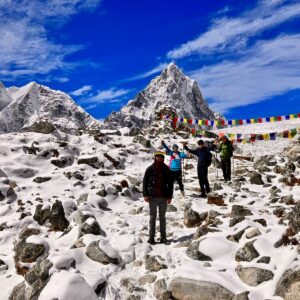
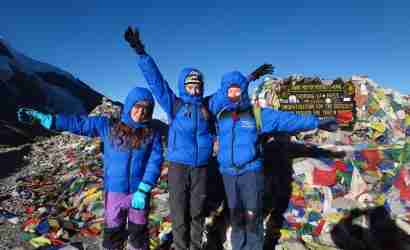
Not to worry though. You can see the piles of stones, which are meant to bring good luck on you, prayer flags and prayer chants looming in the air with the strong breeze. What’s more! You are instantly captivated by the breathtaking view of Tibet on the one side and spectacular view of Yari Village down below. You will find barren mountains in brown, copper, ash and dark yellow colors as far as you can see. From here on, it is a shaky descent down until you find yourself standing in the border of Nepal and Tibet. The choice is yours as to if you want to play it safe and go through the dirt road which takes a bit longer or take a steep short cut. Your stay in tent is going to be like nothing you have ever done before.
Day 11: Hilsa to Manepeme (3900m / 12795f) 5 hours
A big iron bridge bids you adieu from Hilsa. Across the bridge is your long lost friend waiting to reunite with you, the Karnali River that is. You move along a narrow trail that winds its way up until you connect with the main route on the higher slope. The trail stretches alongside the Karnali River all the way to Manepeme. The path continues to put your physical strength to test with ups and downs. The landscapes, barren mountains and their iridescence blow your mind away and you have a little or no time to feel tired. And no prizes for guessing, you will be spending your night in a tent.
Day 12: Manepeme to Til (4000m / 15091) 6 hours
The climbing up continues on the twelfth day too. After about a walk of couple of hours there is a choice at your disposal. You choose between a small path that stays at the same level for a while and the wider path that starts going up immediately. The benefit of sticking to the narrower trail is that it takes you to a meditation cave, Ya Yip Phuk. This cave holds an old but important tale about the history of Buddhism. Lotsawa Rinchen Sangpo (985-1055 AD), a famous translator of Buddhist scriptures, meditated in this very cave. He also led the movement that revived the cultural exchange between India and Tibet. It ultimately led to the promulgation of Buddhism in Tibet. Also, the trail is teeming with lush and green vegetation. You can find rampant juniper trees along with some other shorter bushes.
You need to keep going up until you have arrived at Lamka La (4300m). The good news is the going gets a lot smoother from there on as the descent commences all the way to Til. As you get closer, you will find chörtens (stupas). The first sign of the village is the white buildings attached to the slopes. That has got to be the monastery with some retreat houses in the perimeter of the monastery. But you still have some time before you see the actual human settlements. The houses are perfectly colored to camouflage in the surroundings. By the time you have arrived at Til, you will find the environment has gotten green veils for it. The soil is fertile and you can tell that from the view of birches and terraced barley fields. Both of them look bright yellow in September-October. Two beautiful snow mountains have your back at all times.
Til is a beautiful Tibetan village like any other village in Limi Valley. The gateway to the village is a chörten. The villagers still wear their traditional dresses. Men wear a long thick brown coat, with one sleeve down and the women wear a long brown or blue dress with a colorful apron made from yak wool. They keep their heads covered with a long colorful cape. They have beautiful jewelry with big turquoise stones. The senior citizens spend most part of their day in spiritual activities, spinning around prayer wheels and humming “Om Mani Padme Hum” meaning roughly “blessed is the jewel in the lotus”. This mantra (chant) is believed to be possessed by Avalokitesvara, the buddhisatva (a Buddhist half god) who supposedly stays on Earth to anchor humanity to enlightenment and compassion. When you call it a day, you head to a tent and get a sound sleep.
Day 13: Til to Halji (3660m / 12007f) 3 hours
The day ends with few hours of daylight to spare. This gives you the wonderful opportunity to wander around the village and have a look around the monasteries. The Limi River fills Karnali’s shoes as Limi River accompanies your trail. The walk is relatively easy and smooth. Keep an eye on the vicinity around you because you never know when those highly endangered species are going to show up. You do not want to miss out on such an opportunity. With luck on your side, you might come across mountain goats, snow leopards, and even blue sheep. The village is camouflaged into the environment so much so that you find it hard to locate at once. Once you go through the chörten you will see a big mani wall, mani walls are low walls built up with many stones with holy mantras and Buddhist deities carved on them. The village is the shelter to a 14th century monastery Rinchenling Gompa. The monastery is affiliated to Kagyugpa Lineage. Rinchenling Gompa is the holiest gompa in the region and is also the centre of religious activities in the Limi Valley. The monastery is very well taken care of with the help of Nepal Trust. It offers a great many things to visit inside. The main hall has a well decorated idol of Shakyamuni Buddha. Other rooms have smaller statues, a completed version of Kenjur (the Buddhist scripture), masks and costumes used during different cultural carnivals. They do not charge you for the entrance but you have to pay 500 NRS for the picture. Your stay overnight will be at one of the teahouses.
Day 14: Halji to Jang (3930m / 12893f) 4 hours
It is relatively a relaxed trek of four hours. The companionship of Limi River makes every single second worthwhile. Jang is the third and the last village of Limi Valley. And like all other village it is nothing short of majesty, surprises and beauty. As far as Jang is from the modern hustle and bustle and as free as it is from the modernism, Tibetan cultures come alive here at their purest. Jang, too, has a beautiful gompa which you can visit. The charge is free but like in Halji they will charge you a nominal fee of 500 NRS. The night will be spent in at one of the teahouses.
Day 15: Jang to Talung (4370m / 14337f ) 8 hours
The best part about the trek now is that until Kermi there is no human settlements. It is going to be you and the most surreal landscapes. With that said, the trail gets tougher at times and you are going to have to cross quite a few rivers and streams. The trail remains slow and steady and goes up until Talang. Talang provides you a fair bit of leveled ground to camp at. You will be staying here in a tent overnight.
Day 16: Talung to Shinjungma (3620m / 11876f), across Nyalu La (4940m / 16207f) 8 hours
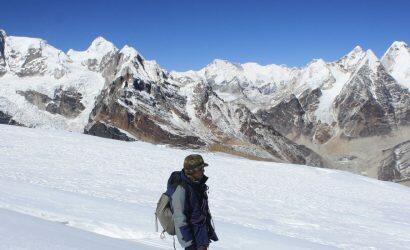
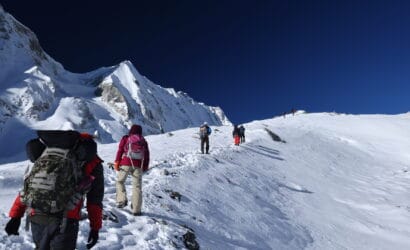
The sixteenth day takes you to the highest point of the tour. You go past Nyalu La pass which is approximately at the altitude of 4940 meters from the sea level. Your work way up the pass is surely going to be a daunting task. However, it is once in a life time opportunity to get to as high as 5000 meter and you want to take your trekking experience to the whole new level. Snow on the trail, 360 degree view of Humla and Tibet, the glimpse of glorious mountains like Mount Saipal (7031m), and Mount Kailash (6714m) make you want to push the limits.
The path climbs down after you are beyond and across the pass. The altitude plummets to 4630 meters by the time you are in Lake Selma Tso. The downward slope continues on its course all the way down to Shinjungma which is also the campsite for the day sixteen. The changing vegetation and climate, the Sali River, steep slopes, Mount Kailash and the overnight stay in the tent are the salient features of this particular day.
Day 17: Shinjungma to Kermi (2670m / 8759f) 7 hours
Your first day in the human settlements in days after your trek started. You will get back to Kermi Village today. You are in the altitude below 3000 meters after long. The walk does not get any better because you will be treading on the solid grounds amidst pine and birch trees and Sali River by your side. The trail takes you to the Karnali River and your parade heads eastbound. You can relax a little bit here and dip your tired body into the hot springs before seeing off your day in a tented camp.
Day 18: Kermi to Simikot (2950m / 9678f) 6 hours
The day begins with few ups and downs along the road. The walk up to Darapuri (2300m) and Majgaon(2290m) is nice and smooth. It is after Majgaon that the trail decides to turn hostile. It is a two hours walk up the hill from the Karnali River until you reach a pass at the height of 3000m. From there on, it is half an hour walk to Simikot. You get to drink refreshing soda or drinks in Simikot and even hot water shower. The night number 18 will be spent in a tent.
Day 19: Simikot to Nepalgunj to Kathmandu
With the end of day number 18, trek to Limi Valley comes to an end. It is a long way back to Kathmandu via Nepalgunj with some life long memories of the tour. You will be taking an aerial route to get back to Kathmandu. You will leave Humla in the earliest flight possible. You will have spare time to scan through the market in Thamel. After about two weeks and half you will be spending your night in a cozy hotel suite.
Day 20: Departure
Your trip concludes here and you will fly for your respective destinations from Tribhuvan International Airport.
| Trip Starts | Trip Ends | Availability | Price USD | |
|---|---|---|---|---|
| May 18, 2012 | June 6, 2012 | US$ 2285 | ||
| May 25, 2012 | June 13, 2012 | US$ 2285 | ||
| June 1, 2012 | June 20, 2012 | US$ 2285 | ||
| June 8, 2012 | June 27, 2012 | US$ 2285 | ||
| June 15, 2012 | July 4, 2012 | US$ 2285 | ||
| June 22, 2012 | July 11, 2012 | US$ 2285 | ||
| June 29, 2012 | July 18, 2012 | US$ 2285 | ||
| July 6, 2012 | July 25, 2012 | US$ 2285 | ||
| July 13, 2012 | August 1, 2012 | US$ 2285 | ||
| July 20, 2012 | August 8, 2012 | US$ 2285 | ||
| July 27, 2012 | August 15, 2012 | US$ 2285 | ||
| August 3, 2012 | August 22, 2012 | US$ 2285 | ||
| August 10, 2012 | August 29, 2012 | US$ 2285 | ||
| August 17, 2012 | September 5, 2012 | US$ 2285 | ||
| August 24, 2012 | September 12, 2012 | US$ 2285 | ||
| August 31, 2012 | September 19, 2012 | US$ 2285 | ||
| September 7, 2012 | September 26, 2012 | US$ 2285 | ||
| September 14, 2012 | October 3, 2012 | US$ 2285 | ||
| September 21, 2012 | October 10, 2012 | US$ 2285 | ||
| September 28, 2012 | October 17, 2012 | US$ 2285 | ||
| October 4, 2012 | October 23, 2012 | US$ 2285 | ||
| October 11, 2012 | October 30, 2012 | US$ 2285 | ||
| October 18, 2012 | November 6, 2012 | US$ 2285 | ||
| October 25, 2012 | November 13, 2012 | US$ 2285 | ||
| November 1, 2012 | November 20, 2012 | US$ 2285 | ||
| November 8, 2012 | November 27, 2012 | US$ 2285 | ||
| November 15, 2012 | December 4, 2012 | US$ 2285 | ||
| November 22, 2012 | December 11, 2012 | US$ 2285 | ||
| November 29, 2012 | December 18, 2012 | US$ 2285 | ||
| December 6, 2012 | December 25, 2012 | US$ 2285 | ||
| December 13, 2012 | January 1, 2013 | US$ 2285 | ||
| December 20, 2012 | January 8, 2013 | US$ 2285 | ||
| December 27, 2012 | January 15, 2013 | US$ 2285 |
The departure dates and the itinerary are just the basic outlines for you. We are open to suggestions and are flexible enough to design them according to your convenience. Please, contact Mosaic Adventure for real experience of trekking in the different parts of the country.
**
Guaranteed: Trip is Guaranteed to run.
Limited: Trip is Guaranteed to run, but only with limited spaces. Please contact us.
Booked: Trip full or unavailable, but we can open new departure so please contact us.
01. Pick up service at the airport and transfer to the hotel.
02. Reservation at the standard hotel in Kathmandu with breakfast.
03. Guided tour of World cultural heritage sites.
04. Arrangement of documents like trekking permits (TIMS), national park entry permit, restricted area permit and conservation permit.
05. An experienced, well trained and government licensed English speaking local guide.
06. A Sherpa care taker from the local area for your safety and to fix tents.
10. Cook and kitchen support staffs. (The number of staffs may vary according to the size of your group)
11. All the necessary kitchen stuffs.
12. Fuel and lighting facilities.
13. Transportation of logistics (tents, fuels, kitchen stuffs and food).
14. Hot breakfast, lunch and dinner.
15. Tents (shall be shared by 2 fellow trekkers)
16. Pure and fresh drinking water.
17. Charges for camp, dine fire, warm up etc
18. Salary, insurance and wages for guide, staff, porter, local taxes and charges for transportation and equipment.
19. Required flight fair (Kathmandu-Nepalgunj-Simikot and vice versa)
20. Government taxes and official expenses
21. Transportation fares back and forth from hotel to domestic airport and bus park to hotel.
22. Travel and rescue arrangement.
23. Paramedical supplies.
24. Certification of trip success.
01. Travel Insurance
02. Visa fees
03. Single supplements
04. Lunch and evening meals in Kathmandu
05. Bills of bars and laundry
06. Trips other than arranged by the company
07. Tips for field staff
08. Personal trekking gear
09. Nothing other than explained and mentioned in “Price Includes” section