
The Kali Gandaki River is one of the major rivers of Nepal and a left bank subdivision of the Gangas in India. The source of the river is formed at an altitude of 3,900 m (12,795 ft) in the Mustang region of Nepal, which borders Tibet. The river flows southward through a steep gorge known as the Kali Gandaki Gorge, or Andha Galchi, between the mountains Dhaulagiri (8167 m) to the west and Annapurna (8091 m) to the east. The river with total catchment area of 46,300 sq km is notable for the deep gorge through which it flows and for a large hydroelectric power in Nepal.
Rafting don’t need experience, if you have healthy enthusiasm for adventure, don’t mind being wet for whole day, have a sense of humor then Kali Gandaki River rafting definitely will provide you a jolting, roller-coaster ride through a very big bathtub, an exhilarating tussle with natural force.
Throughout the rafting, you will be twisted, turned, shaken and basically hurdled all over the place. The days mostly begin in a similar style, normally with something energetic to eat which you might throw up laterƒº. After a briefing about tackling the river, you are free to paddle, raft, admire the view, see villages, eyeball rapids, spot wildlife and wait the slaughter! Kali Gandaki River has some 60 rapids within 72 km of its distance. Over the rafting trip, you are forced to nominate yourself with rapids like ‘Little Brother’, ‘Big Brother’, ‘Rafters Refund’ , ‘walk in the Dark’ at the end of descends; all of them are quite enough to flip a raft.
Additional Fact:
River Grade: III - IV
River Distance: 72 Kms
Departure Point: Pokhara
Rafting Start Point: Near Beni
Rating Finish Point: Mirmere
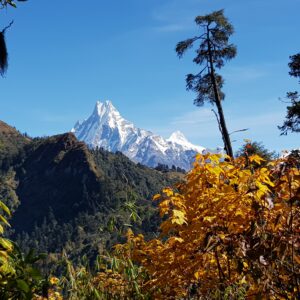
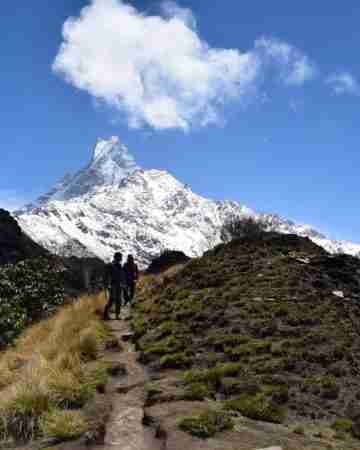
Day 01: After breakfast in Pokhara we will drive to Beni for around 4 hours. Throughout this drive we will get stunning views of the Annapurna and Dhaulagiri peaks as well as the Machapuchare or Fishtail Mountain. Upon arrival, we unload all the equipment and you will receive a full safety briefing. Have lunch and then the guide will take you to the river starting point ready to begin your exciting 3 days raft trip. First day we begin with some class III rapids this is a warm up for the team, after 10/15 minutes you will be encountering 2 big class 4 rapids i.e. ‘Small Brother’ and ‘Big Brother’. Your guide will be making you work hard at doing exercises to work as a team maneuvering the raft efficiently. After scouting the rapid, the safety kayaks will go first then the raft. Soon after encountering these two big rapids we will reach the Modi Khola confluence where we will choose the beach for the evening campsite. We unload the rafts and one raft team prepares dinner and rum punch whilst the others play or relax and take in the scenery.
Day 02: Once we have breakfast and rafts are packed we start down the river for a day mixed with adrenaline calm and spectacular scenery including views of Annapurnna 1 and Himachuli. We will tackle many class III sections and the challenging class IV named REFUND. This section of river is abundant with vines, wildlife and lush vegetation hanging from the cliff faces. Our campsite is below the village of Purti Ghat.
Day 03: Soon after being back on the water we reach the holy village of Seti Beni. The river has deposited a house size boulder in the confluence with a smaller tributary. Since confluence is considered holy places in the Hindu religion, this boulder has become an important shrine to the local river people. There is usually a great audience to watch and listen to the spectacle as each team negotiates the rapid that has formed around this holy place. Not long after this it is time for the journey to end. We load up the gear and prepare for the bus journey back to Pokhara.
Departure dates and the itinerary arrangements can be tailored to your requirement, so please contact us for your queries regarding your Kali Gandaki River Rafting departure date.
1. Transportation from / to Kathmandu by tourist bus as per itinerary.
2. Continental & Nepalese meals during the rafting period, thrice a day.
3. All International standard Necessary rafting equipment as high quality self-bailing rafts, lifejackets, helmets, plastic paddles, wetsuits (only during the winter) on certain rivers, dry bag for gear, camera barrels and all safety and medical equipment.
4. Well-trained and highly experienced rafting guides, cooks, and other helper staff.
5. Tented accommodation in beautiful river beach with camp fire .
6. Safety Kayak & First aid kit box.
7. Food, accommodation, insurance for all staff and their transportation.
8. Sleeping bag if you don’t have any.
9. All necessary fees, Government/Local taxes, all national park and conservation area fees.
10. Camping & Cooking equipment (tents, mattress & kitchen gear).
1. Any type of personal expenditure such as phone, laundry, Mineral water, cold drinks and alcoholic beverages during the whole trip.
2. Food & accommodation cost in case of any natural calamity caused by weather
3. Rescue & insurance such as travel, cancellation, accident, health, emergency evacuation and loss, theft of or damage to baggage and personal effects. You are advised to insure for it.
4. Things of personal use.
5. Member insurance.
6. Tips, Gratuities and expenditure
Is it safe with you?
We take the safety of its clients very seriously. All our guides are licensed, with many years of experience on the rivers of Nepal and other European countries. All are trained in CPR, First Aid and advanced river rescue techniques. Prior to going on the water, our guides will give you a complete safety talk and demonstration of how to deal with any situation that might occur whilst on the river, please listen carefully and act accordingly.
Do I need previous experience?
No, but you should be ready to spend a few hours to a full day participating in an outdoor activity. .
What should I pack, and what should I wear on the river?
You can wear - quick-drying shorts or long trousers, cotton t-shirt, old athletic shoes (more foot protection than sandals or flip-flops), hat with a brim, sunglasses and warm clothes for the evening.
Toiletries, mosquito repellent and sun-cream, torch or flashlight (for incidentals when in transit to and from the river), towel etc
What type of boat will I be in? Will I be expected to paddle?
We offer an entire fleet of choices for your whitewater rafting experience. (Not all boat options are available on all rivers). You are the engine on a paddle raft: everybody paddles while the guide shouts instructions. In an oar raft, your guide pilots the raft with long oars as you relax and enjoy the ride. You help your guide in an oar raft-paddle assist combination, which is used mainly on maximum intensity Class IV-V whitewater. It's just you and the water in an inflatable kayak, which is a fun option in low- to mid-intensity rapids on many of the rivers we run (1 or 2 paddlers).
Do I have to know how to swim?
On most trips, you do not need to know how to swim, Swimming is not necessary; you will be wearing a life jacket. All rafters must wear our Coast Guard approved Personal Flotation Devices (aka PFDs or life jackets). Should you fall out of your boat, the PFD is designed to float you face up in the water. Before you get into your boat, however, our guides will give a detailed safety talk and show you how to properly “swim” a rapid. Please be advised our U.S. Coast Guard approved PFDs are rated to accommodate persons no heavier than 260 pounds and with a chest size no larger than 52 inches. We are experienced at accommodating people of all ages and abilities.
Can I bring my camera or video camera?
Of course! Our bags are waterproof to further protect your camera you may wish to place it in a zip-loc plastic bag, or special waterproof camera case. We also recommend padding it with a small towel or clothing. Sand can be a problem-so cleans your camera every night with tissue, a brush and lens paper. We also strongly recommend you take out a rider on your homeowner's policy to cover your camera-especially if it's fine equipment. If you are planning to bring a digital camera make sure to carry additional memory cards, batteries, and any other extras you will need. Disposable waterproof cameras are also a fun option.
Should I tip my guide?
Guests often ask whether gratuities are appropriate, and in what amount. If you feel your guides have provided a very special trip for you, a gratuity may be left with the trip leader and will be shared among the crew. Entirely discretionary, anything between "Thank you" and 10% of trip cost is a general tipping guideline. If you plan to tip, remember to bring a personal check or cash - ATMs are not available except in cities like Kathmandu/Pokhara!
What about the privy?
While the idea of a river trip is appealing to most people, many are inhibited or reluctant because of modesty or uncertainty. Perhaps a few facts will relieve (pardon the pun) your concerns. For multi-day rafting trips like, we use what is called a "porta-potty" system that is set up each afternoon at camp in a secluded location that assures privacy. It is essentially a toilet without plumbing and is available from the time you pull into camp each afternoon until you leave the morning.
How's the food?
The meals we serve on our rafting trips are hearty and sumptuous, complete with fresh fruits and vegetables throughout your entire journey. Our menus feature great camp cooking in a wilderness atmosphere. Wake up to pancakes, omelets, or eggs cooked to order, complemented by tuna Fish, Meat, juice, and plenty of fresh-brewed coffee, tea . Satiate your appetite at lunch with a delicious spread of cold cuts and cheese on assorted breads, hummus and veggies in soft pitas, or tasty taco salad wraps. At the dinner table, our guides' cooking skills truly shine. You may snack on hors d'oeuvres while waiting for vegetable or non Vegetable food. Expect to eat as well - or better - than you do at home, without having to do any of the work.
Can you accommodate my special dietary needs?
We are happy to accommodate vegetarian or vegan preferences, food allergies and other special dietary considerations if you tell us of your needs ahead of time.
Do I need travel insurance?
Although every effort is made to provide a safe trip for all, we strongly recommend that you protect yourself, your belongings, and your vacation through the purchase of a short-term traveler’s policy. A trip cancellation policy covers your non-refundable payments in most cases, should you have to cancel your trip due to illness or injury even at the last minute. Trip participants should realize that in the event of illness or injury on a river trip, evacuation can be prolonged, difficult and expensive. Personal belongings and cameras are carried entirely at the owner’s risk, and we accept no responsibility for lost, damaged, delayed or stolen property.
These are the questions we are often asked and we hope that you will find the answers useful. Please don’t hesitate to contact us if you have any further queries.